
Material Selection in PV Connectors: How Material Quality Impacts Solar System Safety and Long-Term Reliability
Introduction
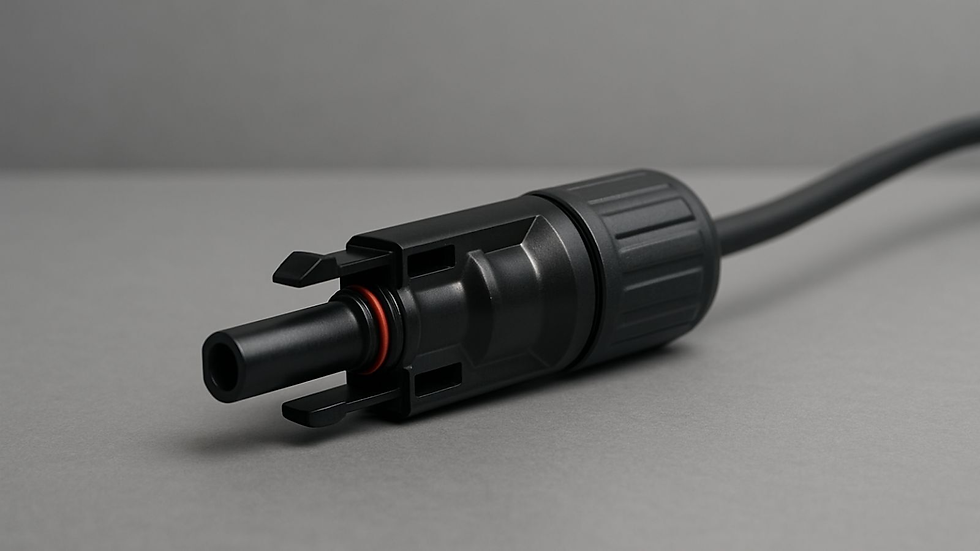
Photovoltaic (PV) connectors are among the smallest components in a solar power system, yet they play a critical role in overall system safety, electrical efficiency, and long-term operational reliability. While solar modules and inverters often receive most of the attention during system design, connector failures remain one of the leading causes of overheating, power loss, insulation degradation, and fire risks in photovoltaic installations.
In modern solar systems, connectors must withstand harsh environmental conditions for decades while maintaining stable electrical performance under continuous load. Exposure to ultraviolet radiation, humidity, temperature cycling, dust, salt spray, and mechanical stress places extreme demands on connector materials. Poor material selection can result in premature aging, increased resistance, corrosion, thermal runaway, and ultimately system failure.
For manufacturers, EPC contractors, installers, and project developers, understanding the relationship between connector material selection and system safety is essential. High-quality photovoltaic connectors are not defined only by appearance or compatibility. Their internal conductor materials, insulation compounds, sealing systems, and contact structures directly determine how safely and efficiently a PV system operates over its service life.
This article explores the key materials used in PV connectors, their impact on electrical and environmental performance, and why proper material engineering is fundamental to solar system reliability.

Why Material Selection Matters in PV Connectors
PV connectors operate in demanding outdoor environments for 20 to 30 years or longer. Unlike indoor electrical systems, solar connectors are continuously exposed to weather, temperature fluctuation, UV radiation, and electrical loading.
Every material inside a connector affects performance in a different way:
Conductive metals influence current transmission efficiency
Insulation materials determine electrical safety
Sealing materials affect waterproof protection
Contact coatings influence corrosion resistance
Housing polymers determine UV durability and flame resistance
If low-grade materials are used, connector degradation can occur much faster than expected. Increased contact resistance generates heat, and excessive heat accelerates material aging. This creates a dangerous cycle that may eventually lead to connector melting, arc faults, or fire incidents.
In large-scale solar plants, even small connector defects can create significant long-term operational risks. Because PV systems operate continuously under DC current, poor electrical contact becomes particularly hazardous compared to many AC applications.
Core Materials Used in PV Connectors
Conductive Contact Materials
The conductive contact is the heart of the connector. Its job is to transfer electrical current with minimal resistance and long-term stability.
Copper Conductors
High-quality PV connectors commonly use copper because of its excellent conductivity and mechanical flexibility.
Advantages include:
Low electrical resistance
Stable current transmission
Good mechanical strength
Reliable crimping performance
However, bare copper alone is vulnerable to oxidation and environmental corrosion over time, especially in humid or coastal environments.
Tinned Copper Contacts
Many premium photovoltaic connectors use tin-plated copper contacts instead of bare copper.
Tin plating improves:
Corrosion resistance
Oxidation protection
Long-term conductivity stability
Environmental durability
Tinned copper is particularly important in utility-scale solar projects where connectors are exposed to moisture, temperature cycling, and airborne contaminants for decades.
Poor plating quality can lead to surface degradation, unstable contact resistance, and overheating under high current loads.
Polymer Housing Materials and Safety Performance
The connector housing protects internal conductive parts from environmental exposure and electrical hazards.
This housing must maintain structural integrity under:
UV exposure
Extreme heat
Freezing temperatures
Moisture
Mechanical stress
Chemical exposure
PPO and High-Performance Engineering Plastics
Many modern PV connectors use PPO (Polyphenylene Oxide) or similar engineering thermoplastics.
These materials provide:
High flame resistance
UV stability
Electrical insulation
Thermal durability
Mechanical toughness
Lower-quality plastics may become brittle after long UV exposure, increasing the risk of cracking or insulation failure.
In solar installations, housing degradation is particularly dangerous because exposed conductive components may create arc faults or electrical leakage.
Flame Resistance and Fire Safety
One of the most critical safety factors in PV connector material selection is flame resistance.
Solar systems generate continuous DC current, which makes DC arc faults more difficult to extinguish than AC arcs. If a connector overheats due to poor contact or material degradation, surrounding materials must resist ignition.
High-quality connector materials are designed to:
Resist combustion
Slow flame propagation
Maintain insulation under heat
Reduce thermal deformation
Connectors manufactured with substandard plastics may soften or melt under elevated temperatures, significantly increasing fire risks.
This is one reason international certification standards place strong emphasis on material fire performance.
The Importance of UV Resistance
Photovoltaic connectors are installed outdoors for decades, often under direct sunlight. Continuous ultraviolet radiation gradually degrades many ordinary plastic materials.
Poor UV resistance can lead to:
Surface cracking
Loss of flexibility
Housing discoloration
Insulation weakening
Seal failure
Once the housing begins deteriorating, moisture and contaminants can enter the connector system, accelerating corrosion and electrical instability.
UV-resistant engineering polymers are essential for maintaining long-term safety in rooftop and utility-scale solar projects.
Waterproof Sealing Materials and Environmental Protection
PV connectors require reliable sealing systems to prevent water ingress.
Water penetration inside a DC connector creates serious safety risks:
Corrosion
Insulation failure
Ground faults
Increased resistance
Arc generation
Rubber Sealing Components
Most photovoltaic connectors use specialized elastomer sealing rings designed to maintain flexibility across wide temperature ranges.
High-quality sealing materials must resist:
Aging
Ozone exposure
Heat cycling
Moisture
Compression fatigue
Low-grade rubber seals may harden or shrink over time, reducing waterproof performance and compromising the connector’s IP protection rating.
Contact Resistance and Thermal Stability
Connector safety depends heavily on maintaining low contact resistance.
Even a small increase in resistance can generate excessive heat under continuous solar current loads.
Common causes of increased resistance include:
Poor conductive materials
Weak contact design
Corrosion
Oxidation
Improper crimping
Inferior plating
As temperatures rise, connector components expand and degrade faster. Over time, thermal cycling may loosen electrical contact points further, creating additional heat buildup.
This process can eventually lead to connector burnout or fire.
High-quality materials help maintain stable conductivity and reduce long-term thermal stress.
Material Selection and Long-Term Reliability
A solar project is expected to operate reliably for decades. Connector material quality directly affects system lifespan and maintenance requirements.
Premium connector materials contribute to:
Lower failure rates
Stable electrical efficiency
Reduced maintenance costs
Better environmental resistance
Improved operational safety
In contrast, low-cost connectors often prioritize short-term manufacturing savings over long-term durability.
While cheaper connectors may initially appear similar externally, internal material quality differences often become visible after years of field exposure.
For utility-scale projects, connector replacement costs can become extremely high because failures require labor, system downtime, and safety inspections.
The Relationship Between Connector Materials and Certification Standards
International certifications help verify connector safety and material performance.
Common photovoltaic connector standards include:
TÜV
UL
IEC
CE
RoHS
These standards evaluate:
Electrical performance
Flame resistance
Temperature resistance
UV durability
Mechanical strength
Waterproof protection
Material selection plays a central role in passing these certification requirements.
Manufacturers using inferior conductive materials or low-grade plastics often struggle to achieve long-term compliance under accelerated aging tests.
Corrosion Resistance in Harsh Environments
Solar systems installed near coastlines, deserts, agricultural sites, or industrial zones face especially aggressive environmental conditions.
Salt spray, humidity, ammonia, and airborne pollutants can rapidly attack poorly protected connector materials.
Corrosion may cause:
Increased resistance
Weak electrical contact
Surface degradation
Connector overheating
High-quality tinned copper contacts and corrosion-resistant coatings significantly improve long-term stability in harsh climates.
This is particularly important for utility-scale solar farms operating in coastal regions.
Mechanical Strength and Installation Reliability
Connector materials must also withstand mechanical stress during installation and maintenance.
Repeated cable movement, thermal expansion, and vibration can weaken low-quality housings or contact systems.
Strong material engineering helps ensure:
Secure locking performance
Stable cable retention
Reliable crimping
Long-term structural integrity
Poor mechanical strength may cause loose connections, which are a major contributor to DC arc faults.
Common Risks of Low-Quality PV Connector Materials
Using low-grade connector materials may create multiple long-term risks, including:
Overheating
Poor conductivity increases resistance and generates excessive heat.
Connector Melting
Low-temperature plastics may deform under electrical loading.
Water Ingress
Weak sealing materials allow moisture penetration.
UV Degradation
Inferior housings crack after prolonged sunlight exposure.
Corrosion
Poor plating accelerates oxidation and unstable electrical contact.
Fire Hazards
Thermal runaway and arc faults become more likely.
Although connectors are relatively small components, their failure can affect the safety of the entire solar installation.
How Manufacturers Improve PV Connector Material Performance
Leading connector manufacturers continuously improve material engineering through:
Advanced copper alloy design
Improved plating technologies
Enhanced UV-resistant polymers
Better thermal stabilization
High-performance sealing compounds
Precision contact manufacturing
Modern connector development increasingly focuses on balancing:
High current capacity
Compact size
Long-term durability
Environmental protection
Installation efficiency
As solar systems continue moving toward higher voltages and larger current loads, material quality becomes even more critical.
Choosing High-Quality PV Connectors
When selecting photovoltaic connectors, buyers should evaluate more than just price.
Important factors include:
Certification compliance
Contact material quality
UV resistance
Waterproof protection
Flame resistance
Corrosion protection
Mechanical durability
Manufacturer reputation
Connectors designed specifically for long-term photovoltaic applications generally provide safer and more stable performance than generic electrical connectors.
For EPC companies and distributors, choosing reliable connector suppliers also helps reduce future warranty claims and maintenance costs.
Conclusion
Material selection is one of the most important factors influencing photovoltaic connector safety, electrical performance, and long-term reliability. Conductive metals, plating quality, housing polymers, sealing systems, and flame-resistant materials all work together to determine how well a connector performs under real-world solar operating conditions.
While connectors may represent a small portion of total system cost, their impact on system safety is extremely significant. Poor-quality materials can lead to overheating, corrosion, insulation failure, and fire hazards that threaten both equipment and personnel.
As photovoltaic systems continue expanding globally, demand for higher-performance connectors will continue growing. Manufacturers, installers, and project developers who prioritize high-quality materials and certified connector systems are far more likely to achieve safe, durable, and efficient solar installations over the long term.
FAQ
Why are tinned copper contacts used in PV connectors?
Tinned copper improves corrosion resistance and helps maintain stable conductivity in outdoor environments.
What happens if low-quality connector materials are used?
Poor materials may cause overheating, cracking, corrosion, insulation failure, or fire risks over time.
Why is UV resistance important for photovoltaic connectors?
PV connectors remain exposed to sunlight for many years, and UV-resistant materials help prevent housing degradation.
How do waterproof seals affect connector safety?
High-quality seals prevent moisture from entering the connector, reducing corrosion and electrical failure risks.
Are certified PV connectors safer?
Yes. Certified connectors are tested for electrical safety, environmental durability, and long-term performance under international standards.


Comments