
What Certifications Are Required for MV Cables in the US?
Medium-voltage (MV) cables play a critical role in the American power infrastructure market, supporting utility grids, renewable energy systems, industrial facilities, commercial buildings, mining operations, substations, and large-scale solar projects. However, entering the US market with MV cables is not simply a matter of manufacturing a high-quality product.
In the United States, compliance is heavily tied to certifications, safety approvals, electrical codes, and project specifications.
One of the most common misconceptions is that there is a single “mandatory certificate” for all MV cables in America. In reality, US compliance is based on a layered system that includes:
Product safety certification
Nationally recognized testing approval
Electrical installation code compliance
Industry performance standards
Local authority approval
For most medium-voltage cable manufacturers and buyers, the most important compliance elements include:
UL 1072 certification
NRTL approval
NEC (NFPA 70) compliance
ICEA and NEMA standards
IEEE standards for MV accessories and terminations
Understanding how these standards work together is essential for manufacturers exporting to the United States, EPC contractors sourcing compliant cable systems, and engineers designing medium-voltage electrical infrastructure.
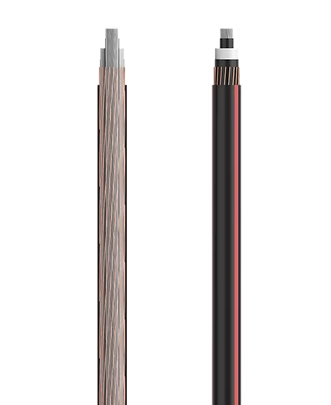
Understanding MV Cable Classification in the US
In the United States, medium-voltage cables are generally classified as power cables operating above 2,000 volts and up to 35 kV or higher, depending on the application and project specification.
Common MV cable voltage classes include:
5 kV
8 kV
15 kV
25 kV
35 kV
These cables are widely used in:
Utility distribution systems
Solar farms
Wind energy projects
Industrial power systems
Mining facilities
Data centers
Oil and gas facilities
Commercial campuses
Transportation infrastructure
Because MV systems involve higher electrical stress, insulation integrity, shielding performance, and long-term reliability become critical safety concerns. That is why the US market places strong emphasis on testing, listing, and installation compliance.

UL 1072: The Core Certification for MV Cables
When discussing MV cable certification in the United States, UL 1072 is typically the most important standard.
What Is UL 1072?
UL 1072 is the safety standard developed for medium-voltage power cables. It covers the construction, testing, and safety requirements for MV cables used in electrical power systems.
The standard evaluates factors such as:
Insulation performance
Conductor integrity
Shielding effectiveness
Flame resistance
Electrical stress resistance
Thermal aging
Mechanical durability
For many US projects, a UL 1072 certified cable is considered the baseline requirement for acceptance.
Why UL Certification Matters
In the US electrical market, UL certification is trusted because it demonstrates that a cable has been independently tested by a recognized third-party laboratory.
A UL-certified MV cable typically provides:
Higher market acceptance
Easier project approval
Improved buyer confidence
Better compatibility with NEC requirements
Reduced compliance risk during inspections
Many engineering specifications explicitly require:
“UL Listed MV Cable”
“UL 1072 Certified”
“UL-approved medium-voltage power cable”
Without UL certification, many commercial and industrial projects may reject the cable entirely.
What Is NRTL Approval?
Another key concept in the US compliance system is NRTL approval.
What Does NRTL Mean?
NRTL stands for Nationally Recognized Testing Laboratory.
The Occupational Safety and Health Administration (OSHA) recognizes certain laboratories to test and certify electrical products for safety compliance. UL is the most widely known NRTL, but it is not the only one.
Other recognized NRTLs include:
Intertek (ETL)
CSA Group
TÜV Rheinland
FM Approvals
The important point is this:
A product is not considered properly certified simply because a factory claims compliance. The certification must come from an OSHA-recognized testing laboratory.
Why NRTL Certification Is Important for MV Cables
NRTL certification confirms that:
The cable was tested to recognized safety standards
Manufacturing processes are audited
Production consistency is monitored
Product markings are verified
Ongoing compliance inspections are performed
For many US electrical inspectors and AHJs (Authorities Having Jurisdiction), NRTL approval is essential before installation approval is granted.

NEC Compliance: The Foundation of Electrical Installation
Even if an MV cable is certified, it must still comply with the National Electrical Code (NEC).
What Is the NEC?
The NEC, also known as NFPA 70, is the primary electrical installation code used throughout the United States.
The NEC governs:
Electrical wiring methods
Installation practices
Cable usage
Ampacity
Grounding
Protection methods
Safety requirements
The NEC is widely adopted by states, cities, counties, and local jurisdictions across America.
NEC Article 311 and MV Cables
For medium-voltage systems, NEC Article 311 is especially important.
It covers:
Type MV conductors
Medium-voltage cable installations
Cable terminations
Cable joints
Insulation requirements
Shielding requirements
Installation environments
This means a cable may technically be certified but still fail compliance if it is installed improperly or used outside its approved application.
The Role of AHJ Approval
In the US electrical system, the final approval authority usually belongs to the AHJ — Authority Having Jurisdiction.
The AHJ may include:
Electrical inspectors
Municipal authorities
Utility engineers
Fire marshals
State regulators
Even when a cable carries certification markings, the AHJ can reject products that:
Lack proper documentation
Are improperly labeled
Do not match project specifications
Are used in unapproved conditions
This is why documentation quality is extremely important in the US market.
ICEA and NEMA Standards for MV Cables
While UL focuses primarily on safety certification, ICEA and NEMA standards focus more on cable construction and performance.
What Is ICEA?
ICEA stands for the Insulated Cable Engineers Association.
ICEA standards define technical requirements for:
Conductor design
Insulation thickness
Shielding systems
Electrical performance
Testing procedures
Long-term durability
What Is NEMA WC 74?
One of the most important standards for MV cables is:
ANSI/NEMA WC 74 / ICEA S-93-639
This standard covers:
5–46 kV shielded power cables
Utility applications
Industrial distribution systems
Underground installations
Renewable energy infrastructure
Many US utility and industrial projects require MV cables to comply with both:
UL 1072
ICEA/NEMA WC 74
This combination helps verify both safety and performance.
IEEE Standards for MV Cable Accessories
Medium-voltage cable systems involve more than just the cable itself.
Critical components include:
Cable terminations
Joints
Splices
Separable connectors
Elbows
Stress cones
These components are often governed by IEEE standards.
IEEE 386
IEEE 386 applies to:
Separable insulated connectors
Shielded connector systems
2.5 kV through 35 kV applications
It is commonly used in:
Utility distribution systems
Underground power networks
Pad-mounted transformer systems
IEEE 48
IEEE 48 covers:
Indoor and outdoor terminations
Shielded cable terminations
High-voltage stress control systems
This standard is especially important for substations and industrial power systems.
IEEE 404
IEEE 404 focuses on:
Cable joints
Splice reliability
Insulation performance
Long-term operating durability
Many utilities require compliance with IEEE 404 for underground MV systems.
Flame Testing and Fire Performance Requirements
In many commercial and industrial installations, MV cables must also satisfy flame and fire performance requirements.
Depending on the application, projects may require:
FT4
VW-1
IEEE 1202
UL 1685
Low smoke performance
Sunlight resistance
Oil resistance
Fire-performance requirements are especially important in:
Data centers
Transit systems
Tunnels
Commercial buildings
Energy storage facilities
Renewable energy plants
Shielding Requirements for MV Cables
Most US MV cables are shielded designs.
Shielding systems may include:
Conductive conductor shields
Insulation shields
Copper tape shields
Copper wire shields
Shielding is critical because it:
Controls electrical stress
Reduces partial discharge risk
Improves field uniformity
Enhances operational safety
Protects insulation longevity
Many US utilities specify precise shielding configurations in procurement documents.
Common Insulation Types Used in US MV Cables
US medium-voltage cables commonly use:
XLPE (Cross-Linked Polyethylene)
Advantages:
High dielectric strength
Excellent thermal performance
Strong mechanical durability
Long service life
EPR (Ethylene Propylene Rubber)
Advantages:
Excellent moisture resistance
Better flexibility
Strong thermal cycling performance
Utilities and industrial facilities may specify one insulation type over another depending on operating conditions.
Typical Documentation Required for US MV Cable Projects
Manufacturers supplying MV cables to the US market should prepare comprehensive documentation packages.
Typical requirements include:
UL certificates
NRTL listing documentation
Technical data sheets
Type test reports
Routine test reports
Factory audit records
Cable construction drawings
Installation instructions
Compliance declarations
Incomplete documentation is one of the leading causes of project approval delays.
Common Mistakes Manufacturers Make
Assuming IEC Compliance Is Enough
Many international manufacturers believe IEC compliance automatically guarantees US acceptance.
In reality, US projects often require:
UL certification
NEC compatibility
NRTL approval
IEC standards alone are often insufficient.
Ignoring Installation Requirements
A certified cable can still fail inspection if installed incorrectly.
Improper:
Bending radius
Grounding
Termination methods
Shield bonding
Ampacity calculations
can all create compliance problems.
Treating ICEA Standards as Certifications
ICEA and NEMA standards are technical specifications, not certification marks.
A cable may comply with ICEA construction requirements while still lacking required safety certification.
Poor Product Labeling
US inspectors often verify:
Cable markings
Reel labels
Certification logos
Voltage ratings
Manufacturer identification
Incorrect or incomplete labeling can result in rejection.
How Buyers Should Evaluate MV Cable Suppliers
When sourcing MV cables for the US market, buyers should verify:
Certification Status
Ask for:
UL listing numbers
NRTL certification records
Compliance documentation
Manufacturing Capability
Evaluate:
Production consistency
Quality control systems
Testing laboratories
Traceability systems
Technical Compliance
Verify compatibility with:
NEC requirements
ICEA standards
IEEE specifications
Utility requirements
Project Experience
Experienced suppliers are more likely to understand:
Utility procurement standards
AHJ approval processes
US documentation expectations
Installation compliance requirements
The Growing Importance of MV Cable Certification in Renewable Energy
The rapid expansion of:
Solar farms
Wind power
Battery energy storage systems
EV infrastructure
Data centers
has dramatically increased demand for certified MV cable systems in the United States.
Developers increasingly require:
UL-certified MV cables
Long-term reliability testing
Enhanced fire performance
Utility-grade shielding systems
Renewable-energy-specific compliance documentation
As grid infrastructure expands, certification requirements are becoming stricter rather than more relaxed.
Final Thoughts
There is no single “one-size-fits-all” certification for medium-voltage cables in the United States. Instead, compliance is built through a combination of:
UL 1072 certification
OSHA-recognized NRTL approval
NEC installation compliance
ICEA/NEMA performance standards
IEEE accessory standards
AHJ acceptance
For manufacturers, understanding this ecosystem is essential for entering the US market successfully.
For buyers and engineers, verifying certification compatibility is critical for safety, inspection approval, and long-term reliability.
In today’s American electrical infrastructure market, compliance is no longer optional. Proper certification is a core requirement for project approval, operational safety, and commercial success.


Comments